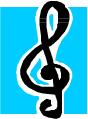
This is
the treble clef. You will see it at the start of most recorder music.
This shows you that the notes in the music are in the correct range
for the recorder to play. (Middle c and above)
It is sometimes called the G clef - this is because the start of
the clef wraps around the G line on the staff.
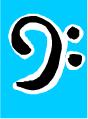
This symbol is the Bass clef. You will
see it at the start of music written for instrumentys that play
notes below middle C (for example the cello). You will also see
it on piano music to show the notes that the left hand should play.
This is the 'Flat' sign. A flat makes
the note sound a semi-tone lower than it normally does.
This is the sharp sign. A sharp makes
the note sound a semi-tone higher than normal.
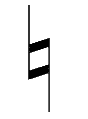
This is a 'natural' symbol. It cancels
the effect of a sharp or flat sign - you play the normal note instead.
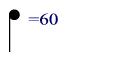
This tells you how fast to play the
music - this symbol tells us to play 60 crotchets per minute.
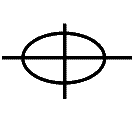
This is the pause symbol. It means that you should hold the
note that it is over, until the conductor starts you playing again.
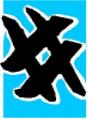
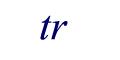
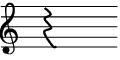
This means 'tremelo'. That tells you
to play the note givenand the note above or below very quickly one
after the other.
.
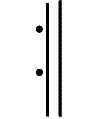
These two lines and two dots mean Repeat
the section that you have just played and then carry on.
This is a crotchet rest - don't play
for one beat.
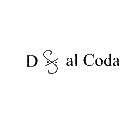
Dal Segno al Coda - this means go back
to the sign and then play until you get to the coda sign (see below)
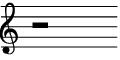
This is a minim rest - don't play for
2 beats.
From this sign jump to where you see
the sign below to play the end of the tune.
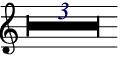
This tells you how many bars rest you
have before you play again. This symbol tells us to rest for three
bars.
This is the Coda sign. A Coda is usually
a short section of music used to finish off the whole piece.
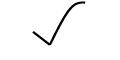
A tick above the music shows you where
you should take a breath.
This stands for the Italian word Forte
- meaning play loudly
This stands for the Italian word Piano
- meaning play quietly.
This stands for mezzo forte - meaning
play quite loudly.
This stands for mezzo piano - meaning
play quite quietly.
This is short for crescendo - whichmeans
gradually play louder.
This is short for diminuendo - which means
gradually play quieter.
Music and M.E. Mary Exton JMI School,
Hitchin, Herts. [email protected] Webmaster: Miss Arthur